Understanding Elevation Sickness: Signs, Symptoms, and Treatments


Florissant, Colorado, with its breathtaking landscapes and central location, is a popular destination for outdoor enthusiasts. However, the increased elevation can pose challenges for those not prepared or acclimated. Understanding elevation sickness, also known as altitude sickness, is essential for anyone planning a visit to this beautiful area.
What is Elevation Sickness?
Elevation sickness occurs when individuals ascend to high elevations above sea-level too quickly, causing a lack of oxygen in the body. This condition can affect anyone, regardless of age or physical fitness level. The symptoms can range from mild to severe, making awareness and preparation crucial for a safe and fun experience in Florissant.
Signs and Symptoms
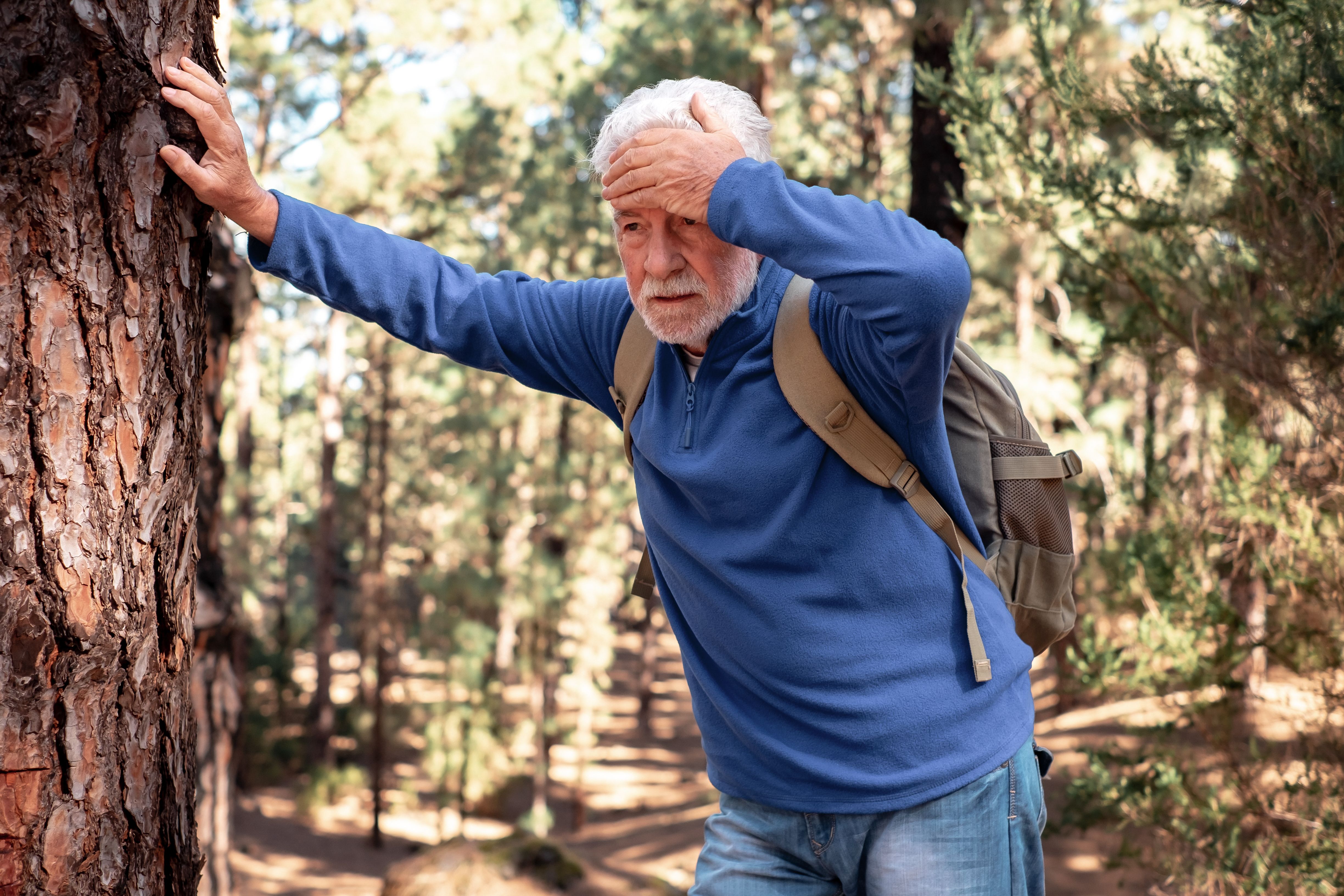
Recognizing the signs of elevation sickness early can help prevent more serious health issues. Common symptoms include:
- Headache: Often the first sign, it can range from mild to severe.
- Dizziness: Feeling lightheaded or unsteady.
- Nausea: Sometimes accompanied by vomiting. Rare, but possible! And it can lead to dehydration, which only compounds the porblem.
- Fatigue: Unusual tiredness and lack of energy. That afternoon nap? It could be a sign.
- Difficulty sleeping: Insomnia or restless sleep, and dare we say...gas. If your tummy is rumbling and you're tossing and turning, it very well could be a sign of Altitude Sickness
Preventative Measures
To minimize the risk of elevation sickness, consider the following preventative measures:
- Ascend gradually: Allow your body time to acclimate by increasing elevation slowly.
- Stay hydrated: Drink plenty of water to help your body adjust. Add in a pinch of mineral salt, or for you Pickle Lovers, grab a jar and sip away!
- Avoid alcohol: Alcohol can exacerbate symptoms and hinder acclimatization. You should also be aware of your limits- up in these elevations, you'll find it hits you faster and harder, so take it easy and sip at your own risk!
- Eat light meals: Opt for easily digestible foods.
Treating Elevation Sickness
If you or someone you're with begins showing signs of elevation sickness, it's important to take action promptly. Here are some treatment options:
- Hydrate: Drinking water a long may not be all you need. Electrolytes are your friend!
- Rest: Encourage the person to rest and avoid physical exertion.
- Oxygen therapy: Providing supplemental oxygen can alleviate symptoms.
- Awareness: If symptoms don't improve or start to get worse, seek medical attention.

When to Seek Medical Help
While mild symptoms can often be managed with rest and hydration, severe cases require immediate medical attention. Watch for symptoms like confusion, inability to walk, or shortness of breath at rest. These could indicate a more serious condition, such as High Altitude Pulmonary Edema (HAPE) or High Altitude Cerebral Edema (HACE).
Understanding elevation sickness and being prepared can make your visit to Florissant, CO, both enjoyable and safe. By recognizing symptoms early and taking appropriate action, you can fully appreciate the stunning beauty of the region without compromising your health.